
In today’s rapidly evolving manufacturing landscape, Computer Numerical Control (CNC) machines have become indispensable tools across various industries. The price of CNC machines, which has long been a critical factor for businesses considering automation and precision machining, continues to attract significant attention. As companies seek to enhance productivity, reduce labor costs, and improve product quality, understanding the dynamics behind CNC machine pricing is essential.
### The Price Dynamics of CNC Machines
The cost of CNC machines can vary widely depending on several factors including size, complexity, precision, and the types of materials they can handle. Prices generally range from a few thousand dollars for basic desktop models to hundreds of thousands for advanced multi-axis industrial machines.
Recent trends indicate that pricing in this sector is influenced heavily by technological advancements. Features such as improved automation, higher processing speeds, and multi-function capabilities have increased the value proposition of CNC machines, sometimes elevating costs. However, the ongoing streamlining of manufacturing processes and innovations in design are simultaneously driving prices down for entry-level machines, making these machines more accessible to small and medium-sized enterprises (SMEs).
### Customization: A Key Driver in CNC Machine Pricing
Customization plays a pivotal role in the CNC machining market. Rather than off-the-shelf solutions, many manufacturers today require machines tailored to their specific production needs, which naturally affects pricing. Customized CNC machines integrated with specialized tooling, automated loading/unloading systems, and advanced software control tend to command premium prices, but also offer significant returns in productivity and precision.
### Industry Applications and Their Impact on Demand
The demand for CNC machines is highly correlated with the growth and diversification of industries such as automotive, medical, agriculture, and die-casting. Each sector leverages CNC technology differently according to its unique manufacturing requirements.
For instance, the automotive industry demands high precision and large-volume production capabilities, which necessitates CNC machines with robust performance and reliability. Medical device manufacturing, on the other hand, requires machines capable of intricate and highly accurate machining of small parts. Agricultural equipment production utilizes CNC machining to build durable and precise components that withstand challenging environmental conditions.
### Spotlight on Dongguan Chengshuo Hardware Co., Ltd.
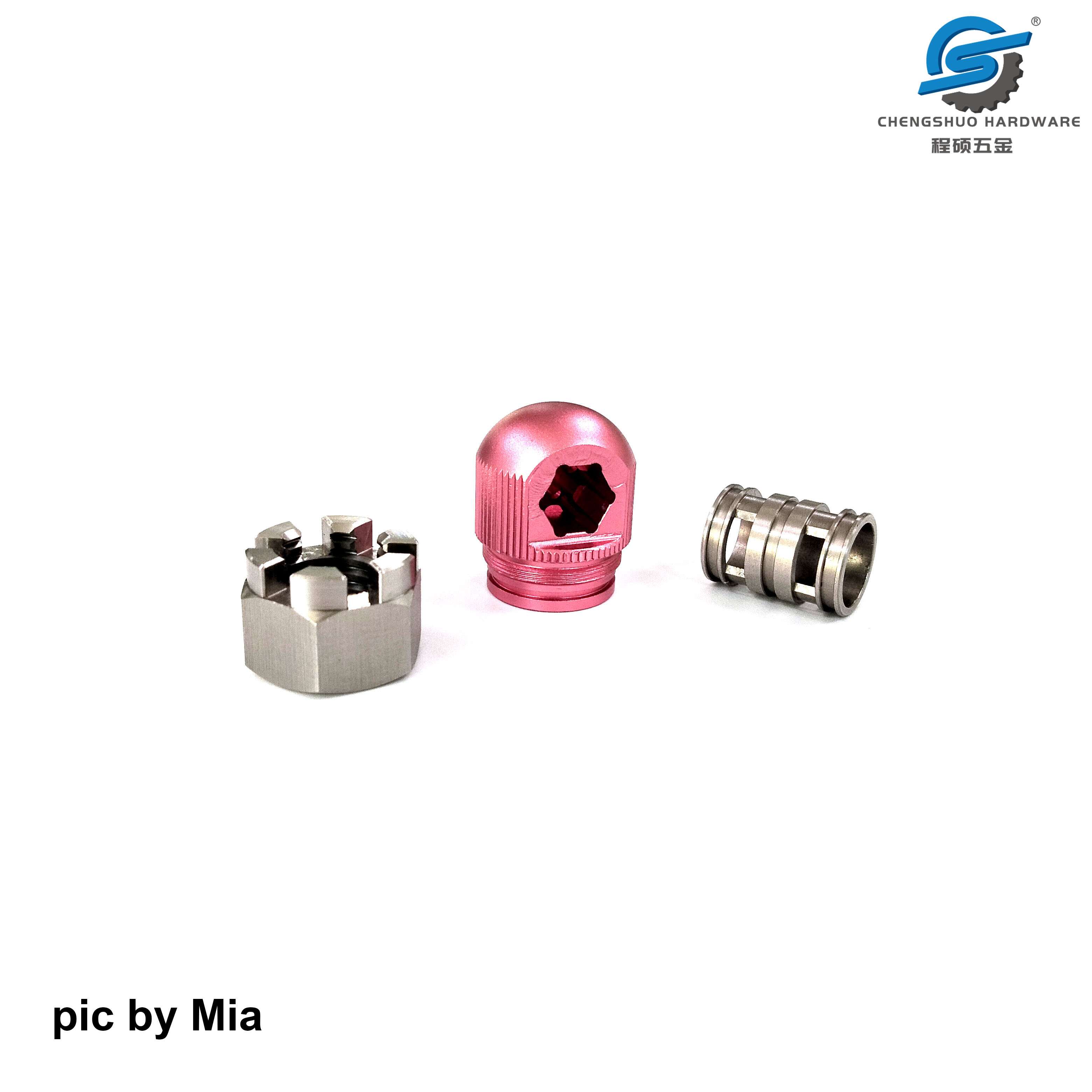
Among the companies operating in this vibrant market, Dongguan Chengshuo Hardware Co., Ltd. stands out due to its specialized focus on research and development, design, and customized production of various machined components. The company’s portfolio includes automated machinery parts, automotive parts, medical parts, die-casting parts, stamping parts, among others.
Dongguan Chengshuo has effectively positioned itself to serve the broad industrial and agricultural sectors, leveraging CNC technology to deliver high-quality products tailored to the specific needs of its clients. With a strong emphasis on customization and innovation, the company has developed a reputation for precision, reliability, and efficiency.
### Enhancing Production Through Integrated Solutions
Dongguan Chengshuo’s approach highlights a significant trend in the CNC machining industry: the blending of advanced manufacturing technology with client-specific customization. By integrating automated machinery components with its machining capabilities, the company not only boosts the performance of CNC machines but also optimizes the overall manufacturing workflow.
This integrated methodology reduces lead times, lowers costs, and enhances product consistency, which in turn influences the overall pricing strategies for CNC machines and parts. Customers increasingly seek such turnkey solutions as opposed to isolated machinery purchases, valuing the synergy and efficiency gains.
### Future Outlook for CNC Machine Pricing
Looking ahead, the prices of CNC machines are expected to stabilize and potentially decrease for standard models given ongoing technological progress and growing competition. At the same time, high-end customizable machines tailored for specific industrial applications will likely continue to command premium pricing due to the unique value they add.
The push towards Industry 4.0 – characterized by automation, data exchange, and smart factory concepts – will further drive demand for intelligent CNC machines equipped with IoT capabilities and advanced analytics. This evolution promises to increase initial investment costs but is also likely to generate substantial long-term savings and productivity gains.
### Conclusion
The price of CNC machines remains a key consideration for manufacturers aiming to improve their production capabilities. Advancements in technology, coupled with the increasing demand across diverse sectors such as automotive, medical, and agriculture, continue to shape the pricing structures in this market.
Companies like Dongguan Chengshuo Hardware Co., Ltd. exemplify how a focus on research, design, and customized production can add significant value, enabling clients to harness the full potential of CNC machining technology. As customization and automation trends intensify, prospective buyers must carefully evaluate their needs against the technological features and cost implications of various CNC machine options.
In summary, while CNC machine prices reflect a balance between advanced capabilities and market availability, strategic investments tailored to specific production requirements offer the best pathway to achieving operational excellence and competitive advantage in the manufacturing world.